The Cagarras Islands, a hidden paradise in Rio de Janeiro
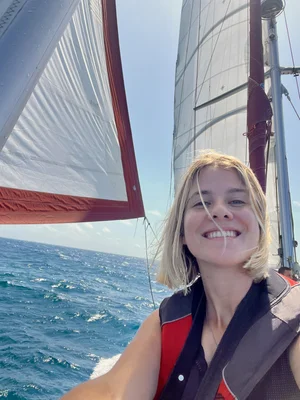
Photo: Louise R. para ROC Sail
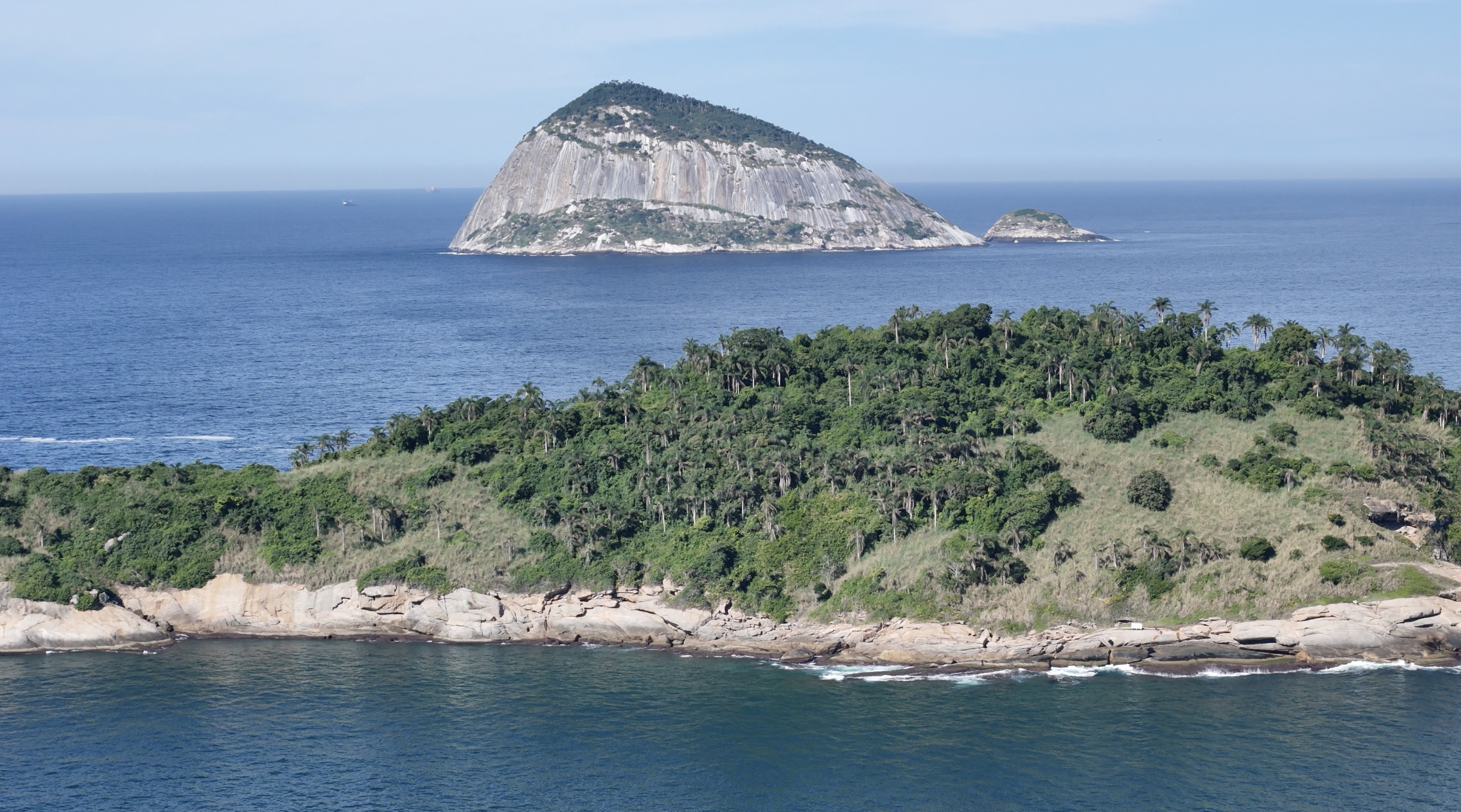
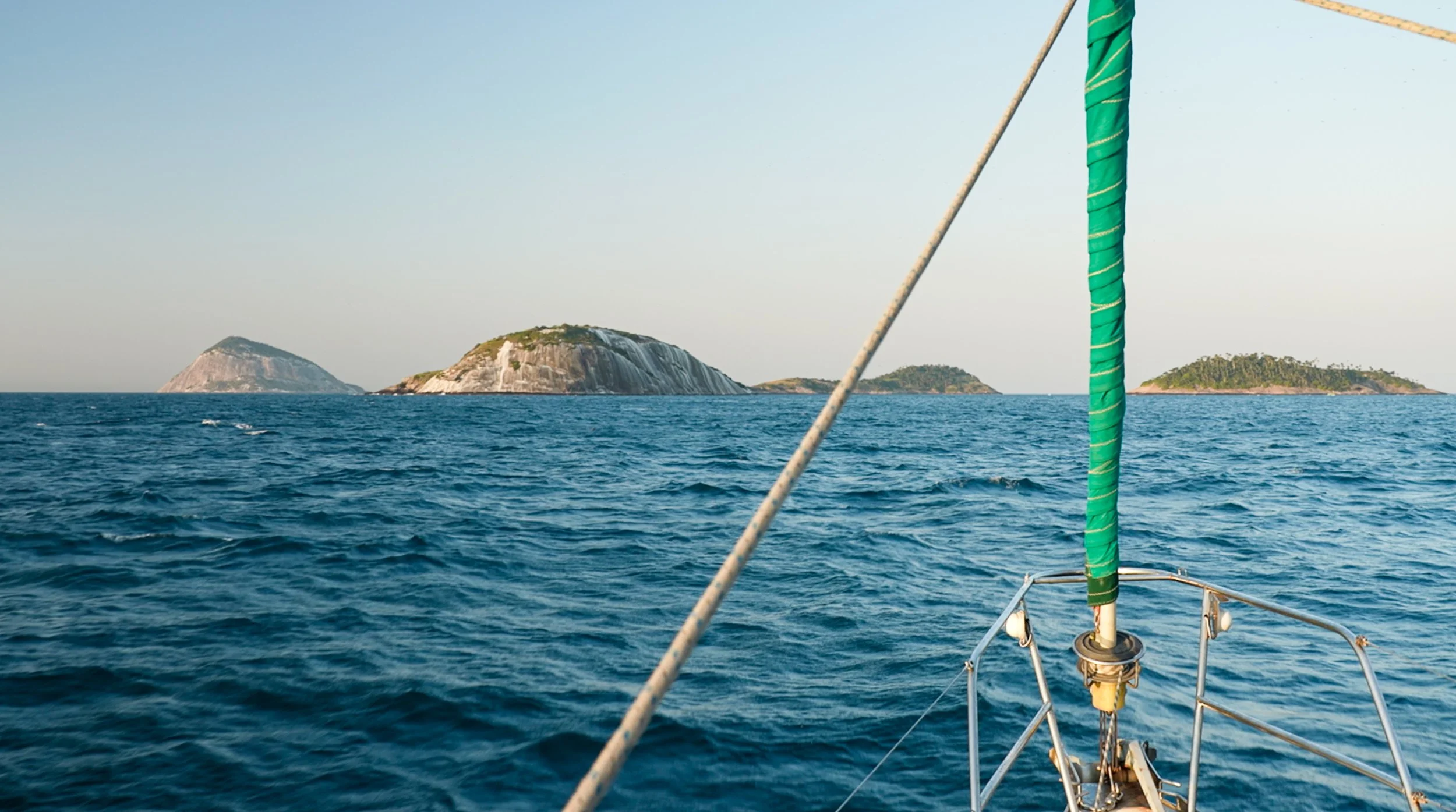
The Cagarras Islands are the archipelago you see on the horizon from Ipanema beach, about 5 km (3 miles) offshore. Protected since 2010 as a Natural Monument, they are home to seabird colonies and rich marine life, and lie on the humpback whales' migration route. They can only be visited by boat. Here's what to see, how to get there and the rules for visiting.
Where are the Cagarras Islands?
The archipelago lies in the Atlantic Ocean, off Ipanema beach. It is made up of the islands of Cagarra, Palmas and Comprida and the islet of Filhote da Cagarra, plus Redonda island and the islet of Filhote da Redonda, a little further out.
A protected Natural Monument
The Cagarras Islands Natural Monument was created by law in 2010 and is managed by ICMBio, Brazil's federal conservation agency. It protects remnants of Atlantic Forest, the archipelago's scenic beauty and seabird nesting areas.
In 2021, the Cagarras Islands and surrounding waters were recognised as a Hope Spot by Mission Blue, the international marine conservation alliance founded by oceanographer Sylvia Earle, which highlights ocean areas critical to conservation.
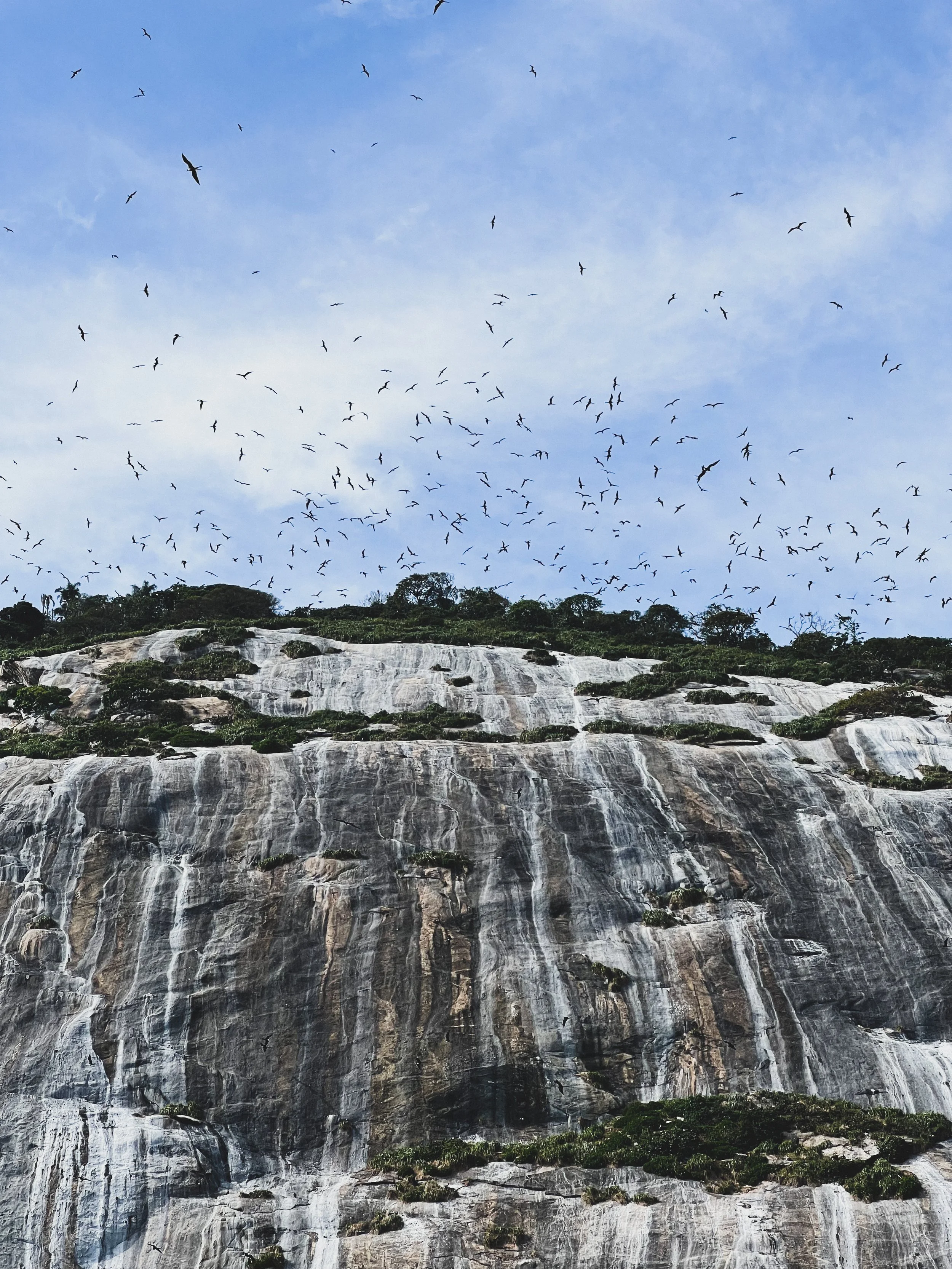
Frigatebirds and brown boobies nest on the archipelago.
Photo: Louise R. para ROC Sail
What to see in the Cagarras
Seabirds: frigatebirds and brown boobies nest on the archipelago. It is one of the largest frigatebird breeding colonies in the South Atlantic.
Marine life: reef fish, turtles and, sometimes, dolphins around the islands.
The view: from the sea, Rio appears in full, from Ipanema and Morro Dois Irmãos to Pedra da Gávea.
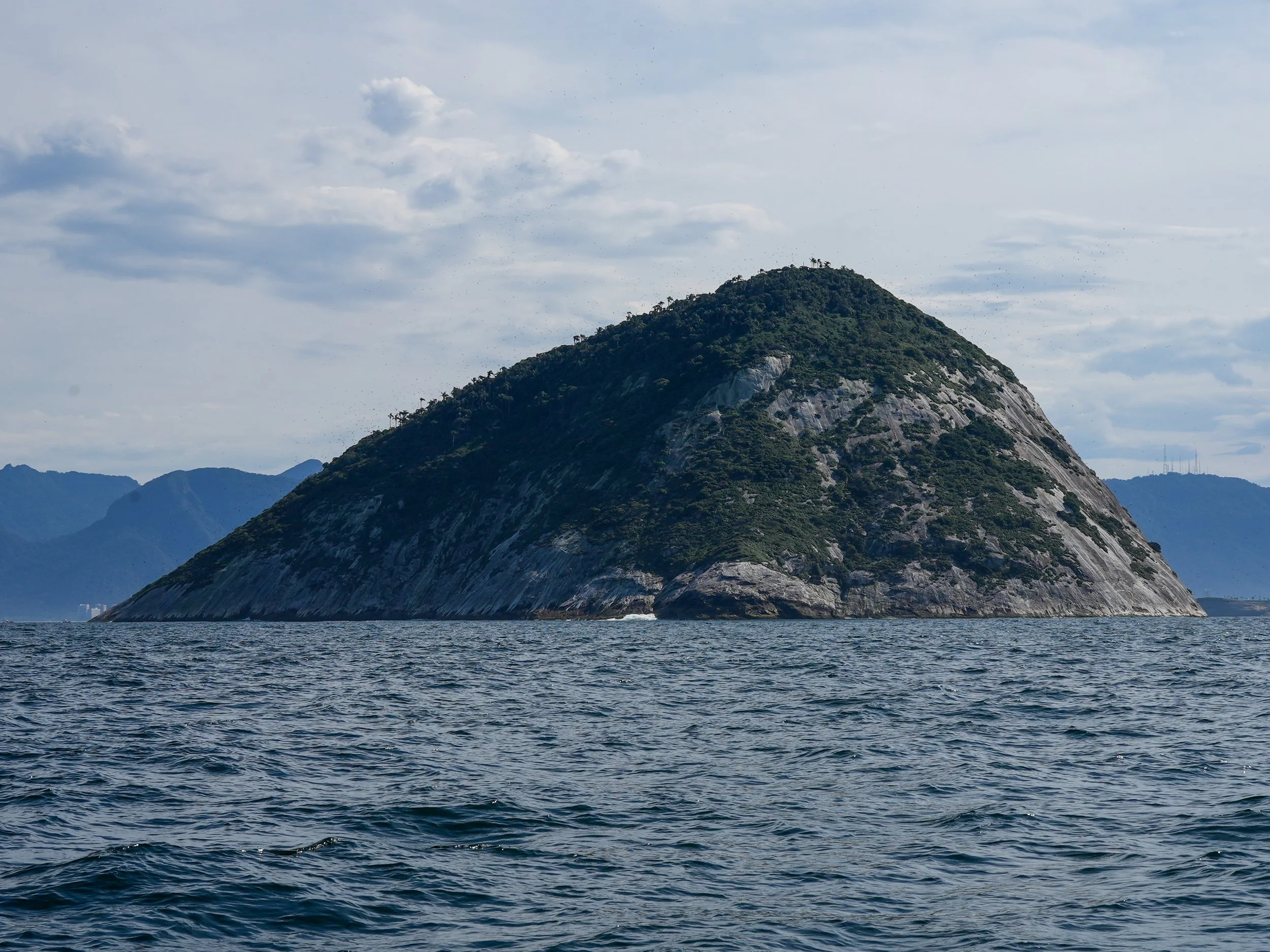
Redonda is the largest island in the archipelago and is home to more than 6,000 frigatebird nests.
Photo: Louise R. para ROC Sail
On the humpback whales' route
The Cagarras lie on the path of one of the ocean's greatest spectacles: the humpback whale migration. Every year, between June and November, they travel from the icy waters of Antarctica to Brazil's northeast coast to breed, passing along Rio's coast. The waters around the Cagarras are among the best spots to see them.
From June to August, ROC Sail runs a whale-watching tour aboard a sailboat with a marine biologist, in partnership with the Amigos da Jubarte project.
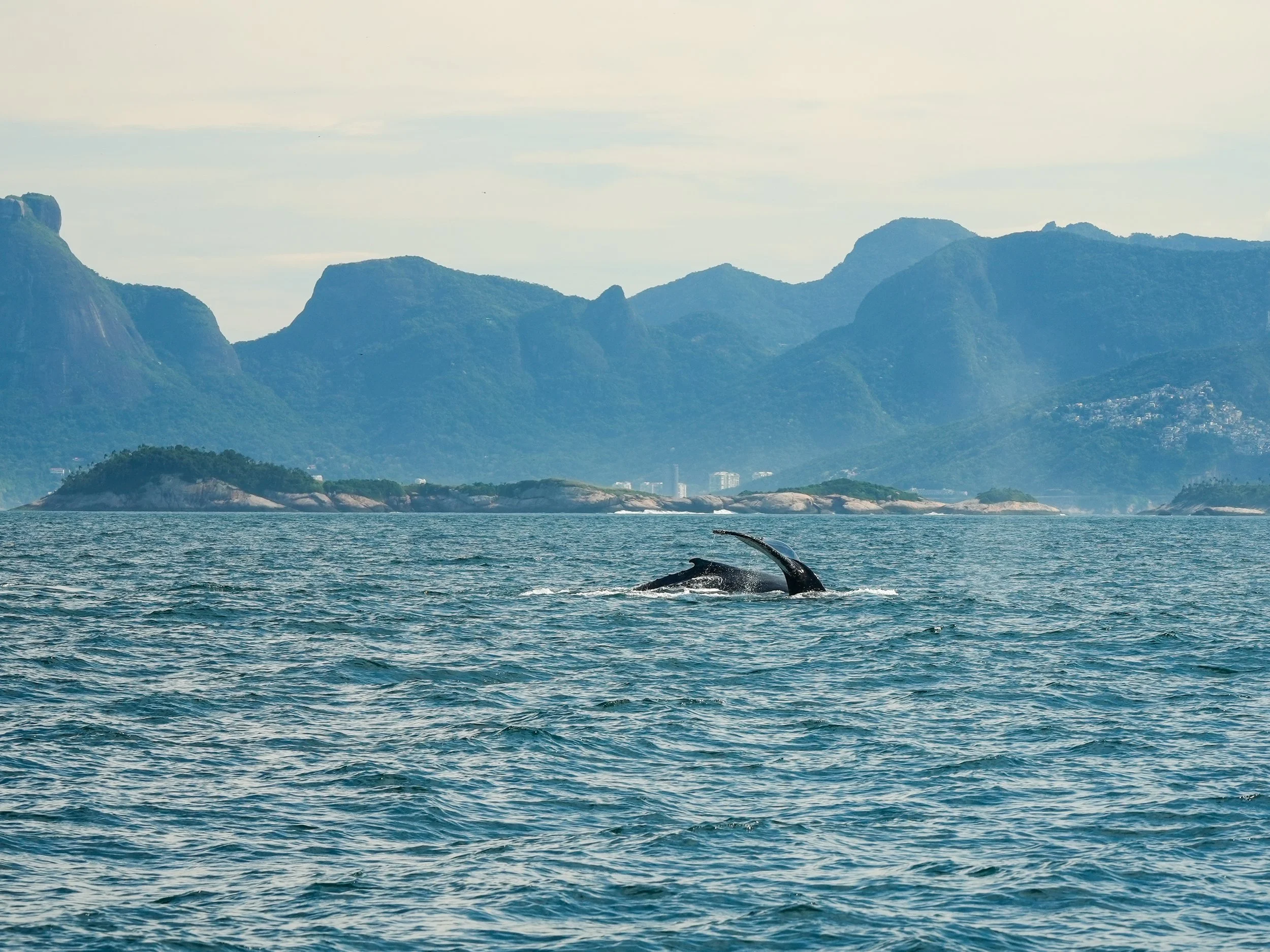
Two humpback whales off Comprida island. The archipelago is a migration corridor for the species.
Phto: Louise R. para ROC Sail
How to get to the Cagarras Islands
Only by boat. Trips usually leave in the morning, when the sea outside the bay tends to be calmer. The route runs along Rio's South Zone, with views of Copacabana, Arpoador and Ipanema.
ROC Sail organises tailor-made sailing trips to the Cagarras, leaving Urca in the morning, priced on request and depending on sea conditions on the day. Get in touch.
Can you swim and dive at the Cagarras?
Yes. Snorkelling and diving are among the archipelago's main attractions, whenever the sea is calm and visibility is good. For scuba diving, choose an operator accredited by ICMBio.
You can also walk the Comprida Island Trail. There is no pier: landing requires a 20 to 30-metre swim from the boat to the rocks. Check the official MONA Cagarras visitor guide before you go.
Rules for visitors
The Cagarras are a protected area. To preserve the archipelago:
Fishing is prohibited within 10 metres of the islands' rocky shores.
Camping or staying overnight is only allowed with ICMBio authorisation, for research or environmental education.
Leave no litter, don't feed the animals and keep your distance from birds and nests.
FAQ
How long does it take to get to the Cagarras?
It depends on the departure point, the boat and the sea. Allow a half-day trip to get there, enjoy it and come back at a relaxed pace.
Can you land on the islands?
Only where visits are allowed, such as on the Comprida Island Trail, following ICMBio rules.
Can you see whales at the Cagarras?
Yes, during the humpback migration season, between June and November. ROC Sail runs the Click Jubarte Expedition from June to August.
When is the best time to go?
All year round, depending on sea conditions. The captain assesses them on the day.
Written by Louise, host and co-founder of ROC Sail, journalist and lover of Rio's ocean.